



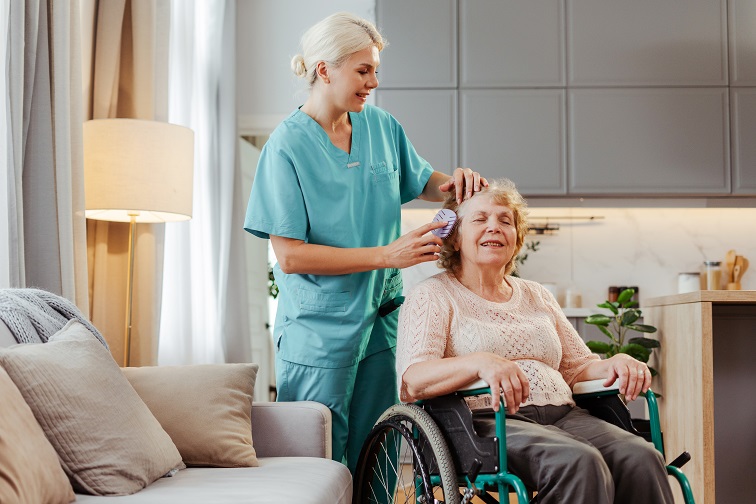
Maintaining personal cleanliness supports physical health and preserves personal dignity for aging adults living independently. As individuals age, routine self-care tasks can become physically demanding because of changes in mobility, balance, or cognitive strength. Families and caregivers can assist by establishing structured routines that prioritize comfort and safety. Proper assistance turns a potentially stressful daily requirement into a predictable, comforting routine that protects skin health and overall wellness. Consistent hygiene practices serve as the first line of defense against common infections and skin conditions that frequently affect the elderly population, helping individuals remain comfortable within their own living spaces.
- Creating Safe Bathroom Environments
Preventing slips and falls is the foundational step in supporting senior hygiene. Minimizing environmental hazards requires removing slick rugs and installing secure grab bars near the toilet and inside the shower area. A sturdy shower chair allows individuals to sit comfortably while washing, reducing fatigue and fall risks. Placing liquid soap and shampoo dispensers within arm’s reach prevents seniors from overextending their balance. Placing non-slip rubber mats inside and outside the tub adds a necessary layer of stability for wet feet. Lighting also plays a major role; installing motion-sensor lights or high-wattage bulbs ensures every corner of the bathroom is visible, helping seniors spot water spills or obstacles before they cause an accident. A well-lit, clutter-free space builds confidence, allowing seniors to approach their washing routines without fear or anxiety. - Establishing Consistent Skin Care Routines
Aging skin loses elasticity and moisture, making it susceptible to tearing, irritation, and infection. Daily full-body baths are often unnecessary and can dry out fragile skin; bathing two or three times a week is usually sufficient, provided partial sponge baths are done on alternate days. Warm water is preferable to hot water, which strips natural oils from the skin surface. Caregivers should select mild, fragrance-free cleansers and apply rich moisturizers immediately after drying to lock in hydration. Pay close attention to areas where skin folds occur, keeping those regions dry to prevent fungal growth. Inspecting the skin during these routines allows for the early detection of pressure sores or unusual moles, which is particularly helpful for those with limited mobility who may not feel discomfort immediately. Identifying these issues early prevents minor irritations from developing into painful complications. - Maintaining Thorough Oral Health
Oral cleanliness directly impacts systemic health, affecting nutrition and systemic inflammation. Seniors should brush their teeth twice every day using a soft-bristle toothbrush and fluoride toothpaste to protect sensitive gums. For those wearing dentures, daily cleaning is mandatory to remove food particles and prevent bacterial buildup. Dentures need to be removed overnight and soaked in an appropriate cleansing solution to give oral tissues time to rest. Regular oral checkups help identify cavities, gum recession, or ill-fitting prosthetics before these issues create discomfort during meals. Poor oral hygiene can lead to difficulties with chewing, which often results in poor nutrition or unintended weight loss. Keeping the mouth clean and hydrated remains a top priority for overall comfort, speech clarity, and general physical health. - Supporting Safe Nail and Foot Care
Proper foot management prevents infections and maintains structural mobility for seniors, particularly those managing diabetes or circulatory conditions. Feet require daily washing and thorough drying, especially between the toes, to discourage bacterial infections. Trimming toenails straight across prevents painful ingrown nails, though podiatrists should handle this task if thick nails or tremors are present. Applying lotion to the tops and bottoms of the feet keeps skin intact, but avoiding the space between the toes prevents excess moisture collection. Inspecting the soles of the feet daily helps spot blisters or cuts early. Since many seniors struggle to reach their feet, . - Selecting Practical and Comfortable Clothing
The clothing selection process influences how easily a senior maintains daily cleanliness and manages self-care. Outfits with Velcro closures, elastic waistbands, or large front buttons simplify dressing and undressing, promoting independent movement. Breathable fabrics like cotton keep skin cool and reduce sweat accumulation throughout the day. Replacing soiled garments immediately prevents skin irritation from prolonged exposure to moisture. Keeping extra changes of clothing accessible ensures quick transitions when accidents happen, preserving the individual’s comfort. Beyond physical ease, wearing clean and well-pressed clothes provides a psychological boost, helping the aging adult feel prepared for social interactions, family visits, and daily activities within the home or community. - Managing Hair and Scalp Health
Scalp care remains a significant part of the hygiene process that people sometimes overlook. Thinning hair or sensitive scalps require gentle handling with soft brushes and pH-balanced shampoos. Massaging the scalp during washing improves blood circulation and helps distribute natural oils. If a senior finds it difficult to lean over a sink or stand in the shower for hair washing, dry shampoos or no-rinse caps provide an effective alternative for refreshing the hair between full baths. Keeping hair trimmed and tidy also prevents it from tangling or obscuring vision. For many seniors, a clean and styled head of hair contributes significantly to their self-esteem, reinforcing a sense of personal identity and normalcy during daily interactions. - Promoting Eye and Ear CleanlinessClear vision and sharp hearing are closely tied to how safely a senior moves through their daily environment, making eye and ear hygiene highly important. Caregivers can assist by using a damp, clean washcloth to gently wipe away any discharge from the corners of the eyes, moving from the inner corner outward to avoid spreading bacteria. Eyeglasses should be wiped daily with a microfiber cloth to ensure clear sightlines. For ear health, external washing during regular baths keeps the area clean, but objects like cotton swabs should never enter the ear canal, as they press wax deeper inside. If a senior uses hearing aids, these devices require daily inspection to clear away accumulated wax, ensuring clear communication and reducing the frustration caused by muffled sounds.