Human connection sits at the center of psychological wellness, particularly for older adults or individuals receiving assistance at home. When a professional aide enters a residence, the dynamic that develops extends far beyond basic physical assistance. , loneliness mitigation, and overall quality of life. Understanding how these unique interactions shape emotional states reveals the deep value of dedicated home support.
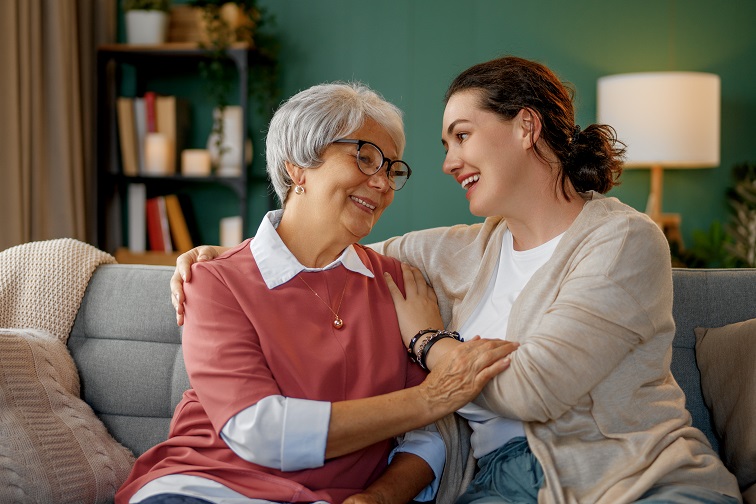
- Mitigating Isolation Through Regular CompanionshipChronic loneliness poses significant risks to physical and mental health, frequently contributing to elevated stress hormones, sleep disturbances, and accelerated cognitive decline. For individuals with limited mobility or those living far from family, a dedicated support provider often becomes the primary link to social interaction. Regular conversation, shared meals, and simple daily interactions help bridge the gap created by isolation.
This consistent presence provides a reliable social anchor, reassuring individuals that they remain seen, heard, and valued by society. Over time, the consistency of this companionship creates a secure environment where individuals feel comfortable sharing their thoughts, fears, and memories. This ongoing emotional outlet costly diminishes feelings of abandonment, anxiety, and depression, replacing despair with a sense of belonging, security, and true community.
- Rebuilding Self-Esteem and Personal Autonomy
Receiving assistance with daily tasks like bathing, dressing, or meal preparation can sometimes challenge an individual’s sense of independence and self-worth. A skilled caregiver approaches these intimate situations with empathy, focusing on collaboration rather than total takeover. By encouraging individuals to participate in decisions regarding their daily schedules, meals, clothing choices, and activities, the support provider helps maintain the recipient’s dignity.
This respectful dynamic reinforces a sense of personal agency and capability, proving that needing help does not equate to a loss of identity. When an individual feels respected and capable, their self-confidence stabilizes, preventing the feelings of helplessness that occasionally accompany major lifestyle changes or health transitions. Maintaining control over small daily choices preserves identity and reinforces the value of the individual’s voice in their own home care program.
- Reducing Anxiety via Predictable and Secure Routines
Unpredictability often breeds anxiety, especially for those managing chronic health conditions, pain, or cognitive adjustments. Professional home support introduces a comforting structure to the week, establishing reliable patterns for meals, medication reminders, exercise, and recreation. Knowing exactly when someone will arrive and what the day will look like offers substantial comfort.
This predictable structure lowers cortisol levels and minimizes daily panic, confusion, or agitation. The presence of a trusted professional provides a psychological safety net, allowing individuals to relax, focus on enjoyment, and experience peace of mind within their familiar home surroundings, knowing they are never truly stranded. Security is built through this reliability, transforming an anxious living space into a sanctuary of predictable comfort.
- Cognitive Preservation and Intellectual Stimulation
Mental exercise is just as vital as physical movement for maintaining emotional balance and preventing mood drops. Regular, meaningful dialogue keeps neural pathways active, sharpens cognitive focus, and improves memory recall. Caregivers encourage intellectual engagement by discussing current events, reminiscing about history, playing strategy games, or participating in creative hobbies alongside the individual.
This ongoing mental stimulation helps delay cognitive regression and provides a daily sense of accomplishment. An active, engaged mind remains less susceptible to the cyclical, negative thinking patterns that often contribute to mood drops, apathy, and emotional fatigue, ensuring the individual stays connected to the world around them. Intellectual companionship feeds the brain while safeguarding emotional health from stagnation.
- Cultivating Optimism and a Renewed Purpose
Having something to look forward to each day changes an individual’s entire outlook on life. When a caregiver and client share a genuine bond, daily visits turn into highly anticipated events rather than clinical necessities. Whether it is working on a puzzle, gardening in the backyard, or simply enjoying a morning coffee together, these shared moments give structure and meaning to the day.
This sense of purpose helps combat the passivity that often develops during aging or chronic illness recovery. By fostering optimism and joy, the relationship helps individuals maintain a positive outlook, which directly strengthens immune function, improves resilience, and enhances overall vitality. A bright outlook is a powerful shield against mental decline, turning ordinary days into fulfilling experiences.
- Enhancing Nutritional and Physical Habits
An underlying benefit of a strong care relationship is the positive impact on daily health behaviors. When individuals feel emotionally supported, they are more motivated to maintain their physical health. Caregivers play a major role in this space by preparing nutritious meals that cater to specific dietary needs, making dining an enjoyable, social experience rather than a chore.
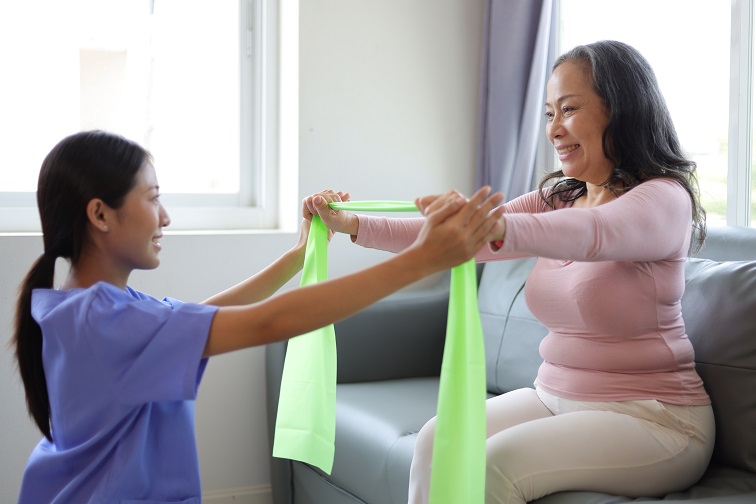
Beyond nutrition, a trusted companion provides the safety and encouragement needed to engage in regular physical movement, such as light walking or stretching exercises. This physical activity releases endorphins, which naturally improve mood and reduce anxiety. The combination of better nutrition and consistent movement, guided by a supportive professional, significantly boosts both physical stamina and emotional resilience.
The impact of professional home support reaches far beyond standard checklists, housekeeping, and medical reminders. The genuine human connection forged during these daily hours becomes a lifeline for psychological stability, self-esteem, and cognitive vitality. Investing in dedicated assistance means prioritizing comprehensive wellness, ensuring that emotional health receives the same focused attention as physical safety.
If you or a loved one could benefit from dedicated, compassionate assistance that prioritizes both physical safety and emotional wellness, reach out to Angels of America HomeCare. Contact our office today to speak with a care coordinator and learn how our personalized support plans can bring comfort, stability, and peace of mind to your household.
Disclaimer
Blogs, content and other media uploaded online are for informational purposes only. Contents on this website should not be considered medical advice. Readers are strongly encouraged to visit their physician for health-related issues.