Assisting aging adults who face mobility challenges requires a thoughtful combination of environmental adjustments, physical support, and emotional encouragement. Reduced movement can stem from various sources, including severe arthritis, neurological conditions, or the natural progression of aging. When families implement structured support systems, they help reduce the risk of physical injury while also supporting dignity and independence. Providing appropriate assistance can transform a potentially isolating situation into an opportunity for safe, meaningful daily engagement, protecting both physical health and psychological well-being. Consistent support serves as a foundation for maintaining a high quality of life when physical capabilities decrease.
- Modifying the Home for Safety
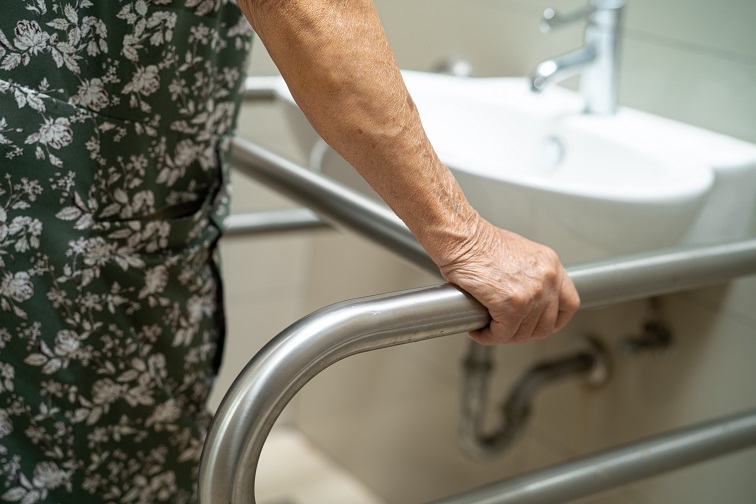
. Modifying the home involves clearing wide pathways through every room, removing loose rugs, and securing electrical cords that present tripping hazards. Installing sturdy grab bars in high-risk areas, such as next to the toilet and inside the shower stall, offers necessary leverage and balance support. Ramps can replace small steps at entryways, allowing smooth transitions for individuals using walkers or wheelchairs. Well-placed, bright lighting throughout hallways and entrances helps seniors spot obstacles clearly and reduces anxiety during movement. A clutter-free, well-lit space builds confidence and supports safer navigation.
- Utilizing Appropriate Assistive Devices
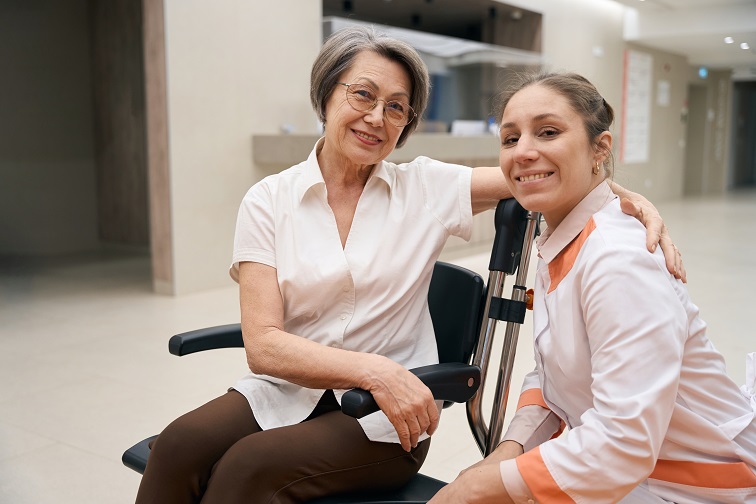
Integrating correct mobility aids into daily routines helps reduce physical strain for both seniors and caregivers. Devices such as canes, walkers, and wheelchairs must be properly fitted to the individual’s height and weight to prevent secondary strain or posture issues. Mechanical lift chairs assist individuals when transitioning from a seated position to standing, reducing pressure on weak knees and hips. Caregivers must receive training on the correct operation of these devices to guarantee safe transfers. Regularly inspecting wheels, rubber tips, and brakes ensures the equipment remains dependable and functional during daily operations. Having the right tools available significantly lowers the physical effort required for basic movements.
- Encouraging Safe Physical Activity
Preserving remaining muscle strength and joint flexibility helps slow the progression of mobility loss. Engaging in low-impact exercises, such as seated stretching, resistance band movements, or water aerobics, keeps muscles active without overburdening fragile joints. Physical therapists can provide specific exercise routines that focus on core stabilization and balance control. Caregivers should encourage regular movement throughout the day, prompting seniors to change positions frequently to prevent joint stiffness and support circulation. Regular activity also supports digestive health and improves sleep quality, contributing to a better overall state of wellness. Small, consistent movements help prevent the rapid decline that often follows prolonged periods of total inactivity.
- Implementing Proper Transfer Techniques
Moving a senior from a bed to a chair or an assistance device requires proper body mechanics to protect both the individual and the caregiver from musculoskeletal injuries. Caregivers should maintain a wide stance, bend at the knees, and keep their back straight while lifting, relying on leg strength rather than lower back muscles. Utilizing transfer belts provides a secure handhold, reducing the risk of accidental slips during transitions. Clear communication during the transfer process ensures the senior understands each step and can participate as able. Taking time during these movements minimizes friction injuries on fragile skin, keeping the process smooth and secure.
- Promoting Emotional Well-Being
Limited movement frequently impacts a senior’s emotional health, sometimes leading to feelings of frustration, helplessness, or social isolation. Caregivers can address these effects by creating opportunities for mental stimulation and social interaction within the home environment. Arranging visits from family members, engaging in favorite hobbies, or using adaptive technology for video calls helps maintain social connections. Respecting the individual’s choices regarding their daily schedule, clothing selection, and meal preferences preserves dignity and reinforces personal agency. A positive emotional state can also support better stress management and overall health outcomes.
- Monitoring Nutritional and Hydration Needs
Decreased physical activity alters an aging adult’s nutritional requirements and can suppress their natural appetite. Providing nutrient-dense meals rich in vitamins, minerals, and lean proteins helps maintain muscle mass and supports tissue repair. Adequate fiber intake prevents digestive complications that commonly arise from prolonged sitting or reduced movement. Caregivers must monitor fluid consumption throughout the day, offering water regularly to prevent dehydration, which can cause confusion, dizziness, and increased fall risks. Presenting meals in easily manageable portions or using adaptive utensils encourages independent eating and makes dining a more comfortable experience.
- Preventing Skin Breakdown and Pressure Sores
Seniors with severely limited movement spend long periods in the same position, which creates a high risk for developing pressure ulcers, commonly known as bedsores. These painful skin injuries typically form over bony areas like the hips, heels, tailbone, and elbows. Caregivers must assist seniors in shifting their weight at least every two hours if they are bedridden, or every fifteen minutes if they are seated in a wheelchair. Utilizing specialized pressure-relieving cushions or mattresses helps distribute body weight more evenly. Keeping the skin clean, dry, and well-hydrated prevents breakdown, while daily skin checks allow caregivers to identify early signs of redness or irritation before major complications develop.
Supporting a loved one with mobility challenges demands patience, physical strength, and specialized care strategies. Professional care services offer dependable assistance, ensuring your family member receives compassionate support while remaining safely in their familiar home environment. Contact Angels of America HomeCare today to learn how dedicated professionals can assist with your family’s caregiving needs.